How to Choose the Right Website Theme for Your Project
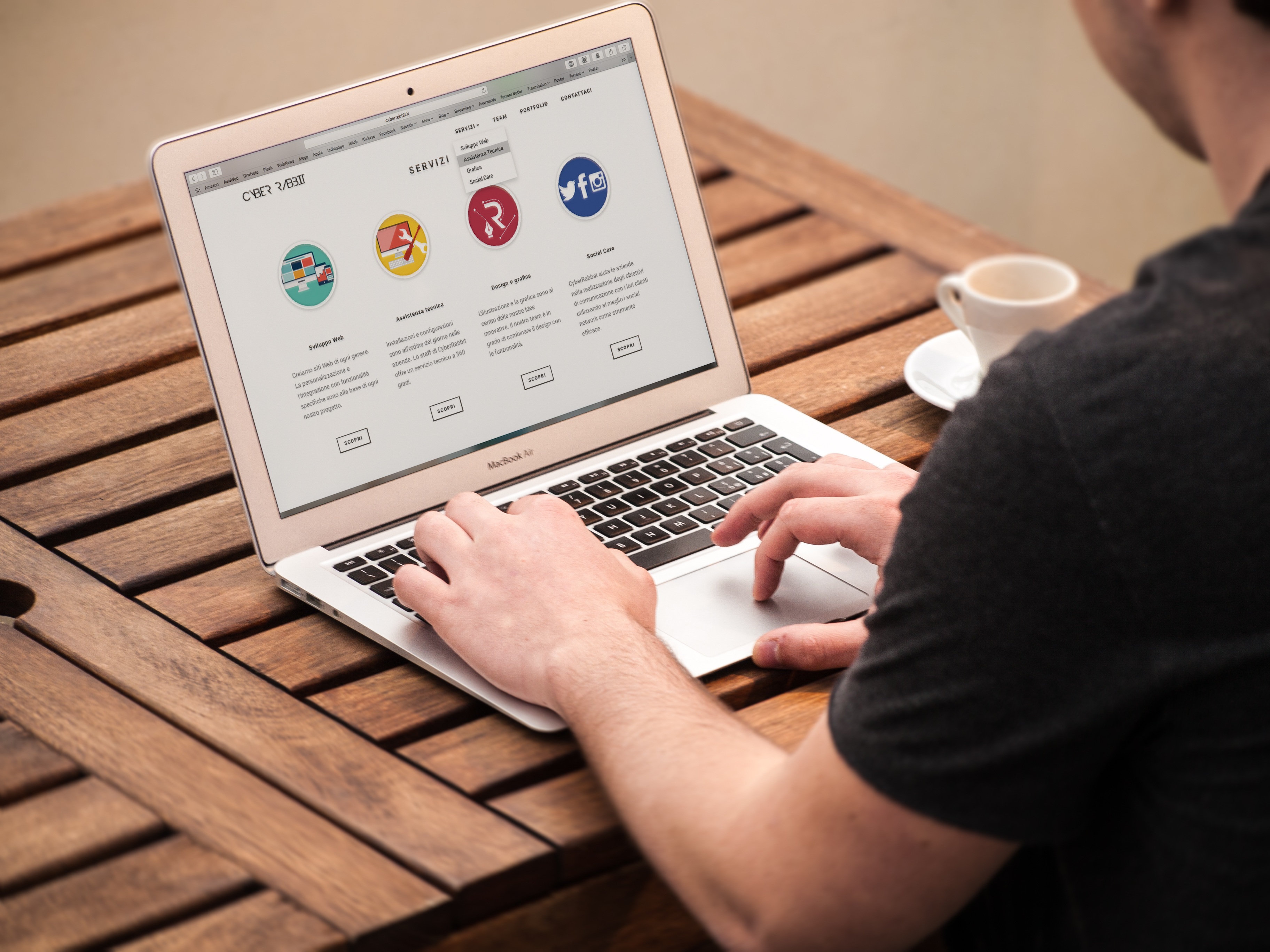
How to Choose the Right Website Theme for Your Project
Choosing the right website theme can make a huge difference when building a new website. A good theme gives your project a strong visual foundation, improves the user experience, and can significantly reduce development time.
With thousands of website themes and templates available today, finding the right one can sometimes feel overwhelming. Instead of choosing a theme only because it looks attractive, it is important to consider performance, flexibility, responsiveness, features, and long-term usability.
1. Start With Your Project Requirements
Before selecting a theme, understand what your website actually needs.
Are you creating an ecommerce store, business website, portfolio, blog, agency website, SaaS platform, or landing page?
Different projects require different layouts and features. A theme designed specifically for your industry can provide a better starting point and reduce the amount of customization required.
2. Look for a Clean and Modern Design
Your website is often the first interaction customers have with your business. A clean and professional design can help create a strong first impression.
Look for themes with:
-
Clear navigation
-
Balanced typography
-
Well-organized layouts
-
Consistent spacing
-
Modern visual elements
-
Easy-to-understand interfaces
Avoid themes that contain too many unnecessary animations, colors, or design elements.
3. Make Sure the Theme Is Fully Responsive
A large portion of website traffic comes from mobile devices. Your theme should therefore provide a smooth experience across desktops, tablets, and smartphones.
Check important sections such as navigation menus, buttons, forms, images, product cards, and typography on different screen sizes before finalizing your choice.
4. Consider Website Performance
A beautiful website is not enough if it takes too long to load.
When evaluating a theme, consider factors such as optimized images, lightweight code, efficient CSS and JavaScript, and unnecessary third-party dependencies.
A performance-focused theme can provide a better user experience and create a stronger foundation for search engine optimization.
5. Check Browser Compatibility
Your visitors may use different browsers and devices to access your website.
A quality theme should work consistently across commonly used browsers and provide a reliable experience without layout or functionality issues.
6. Look at Customization Options
Every project has its own branding and requirements. Choose a theme that gives you enough flexibility to customize colors, typography, layouts, sections, buttons, and other visual elements.
The more adaptable the theme is, the easier it becomes to create a website that feels unique to your brand.
7. Check Documentation and Support
Good documentation can save hours during development.
Before purchasing a theme, check whether the product includes installation instructions, customization guides, FAQs, and technical documentation.
If support is provided, also check the available support channels and terms.
8. Choose the Right Technology
Technology matters when selecting a theme.
Depending on your project, you may need an HTML template, React theme, Next.js template, Angular template, Laravel theme, or another technology-specific solution.
Choose a technology that matches your development workflow and future requirements.
9. Don't Choose a Theme Only by Appearance
A visually impressive theme may not always be the best choice for your project.
Before making a decision, evaluate the complete package:
Design + Performance + Features + Responsiveness + Code Quality + Customization
This approach will help you choose a theme that is useful beyond the initial visual impression.
10. Think About the Future
Your website may grow over time. New pages, products, features, and integrations may be added later.
Choose a theme that provides a solid foundation for future development rather than selecting something that only works for your current requirements.
Final Thoughts
Choosing the right website theme is an important step in the development process. The right theme can save development time, improve the user experience, and provide a professional foundation for your website.
Take the time to compare design, features, responsiveness, performance, technology, customization options, and documentation before making your decision.
A great theme shouldn't just make your website look good — it should make your entire development process easier.